Why luck matters in the world of casinos
The Essence of Luck in Gambling
Luck plays a pivotal role in gambling, particularly in the vibrant landscape of casinos. From the roll of dice in craps to the spin of a roulette wheel, the outcome of games often hinges not just on skill or strategy, but significantly on chance. This randomness is what makes casino games exhilarating; players can visit britneynail.co.uk experience a surge of hope with every turn, never knowing if they will hit the jackpot or walk away empty-handed. The thrill of uncertainty adds to the overall experience, making the world of gambling an enticing venture.
Moreover, luck is often perceived as a mystical force that can change fortunes in an instant. Many gamblers find themselves drawn to the idea that luck can be quantified or harnessed. Whether it’s a favorite charm, a specific seat at the table, or rituals performed before playing, players often believe that their chances can improve with the right mindset. This belief in luck transforms the gambling experience into something more than a mere game; it becomes a personal journey where players hope their favorable fate will grace them.
In many casino environments, the atmosphere enhances the perception of luck. Bright lights, ringing slot machines, and celebratory cheers all contribute to a euphoric ambiance that suggests anything is possible. This psychological component cannot be underestimated, as it influences players’ decisions and potentially impacts their luck. When players feel lucky, they are more likely to take risks, chase losses, and engage more deeply with the games, reinforcing the profound connection between luck and the casino experience.
The Psychology Behind Luck and Gambling
The psychology of luck in gambling is multifaceted, often intertwining with cognitive biases and emotional responses. Many gamblers demonstrate a phenomenon known as the “gambler’s fallacy,” where they mistakenly believe that past outcomes influence future results. For example, a player may think that after several losses, a win is more likely due simply to the law of averages, when in fact, each game is an independent event. This cognitive bias illustrates how the perception of luck can skew rational decision-making in a casino environment.
Additionally, the emotional reactions tied to luck—both positive and negative—can significantly impact a gambler’s experience. Winning can create a euphoric high, leading to increased confidence and further risk-taking, while losing can lead to frustration or despair. These emotional swings often prompt players to engage in behaviors aimed at improving their perceived luck, such as altering their playing style or changing machines. Understanding these psychological factors is essential for both players and casino operators, as it highlights the profound effects that beliefs about luck have on gambling behavior.
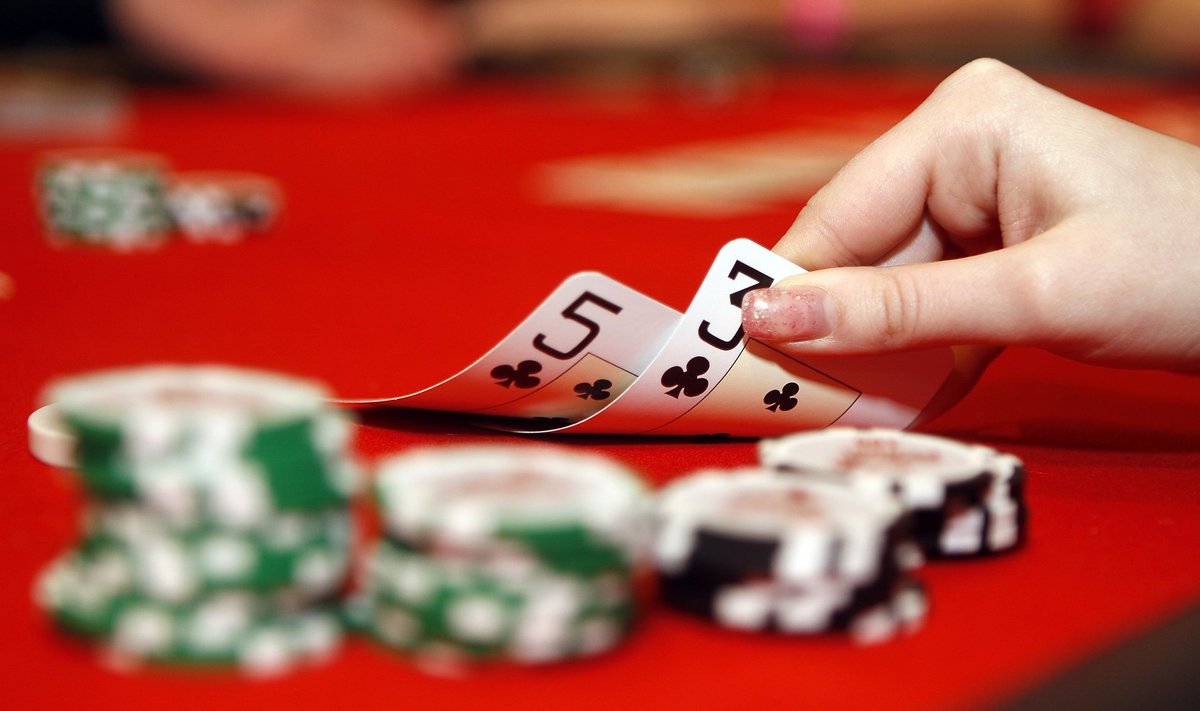
Furthermore, the role of social interactions in casinos cannot be overlooked when discussing luck. Players often share their experiences and superstitions with one another, reinforcing community beliefs about luck and chance. This social aspect can create a sense of collective excitement, where players cheer each other on, becoming part of a shared experience that transcends individual outcomes. This camaraderie can heighten the emotional stakes, further intertwining luck and social psychology within the gambling world.
The Role of Luck in Different Casino Games
Different casino games exhibit varying degrees of reliance on luck, shaping the experience for players accordingly. Games like poker do incorporate an element of skill, but luck still plays a crucial role, particularly in the distribution of cards. A skilled player may leverage their expertise to make savvy decisions, yet a fortunate hand can sway the outcome in unpredictable ways. This blend of skill and luck creates a dynamic environment where both seasoned players and novices can find excitement.
On the other hand, games such as slots are purely luck-based, with results generated by random number generators. Players have no control over the outcome, making it a game of chance in its purest form. This randomness is part of what attracts many players; the potential for massive payouts with minimal effort is alluring. The simplicity of slot machines allows people of all backgrounds to participate, contributing to their popularity in casinos worldwide.
Additionally, table games like blackjack strike a unique balance between luck and strategy. Players must make decisions based on probability while also relying on the luck of the draw. The interplay between player decisions and chance creates a rich tapestry of experiences, where luck can dramatically alter the trajectory of a game. As players navigate these decisions, their perception of luck becomes intertwined with their overall approach to the game, illustrating how essential luck is across the casino spectrum.
The Impact of Luck on Casino Revenue
Luck significantly impacts not just individual players but also the overall revenue of casinos. The unpredictable nature of gambling ensures that no two days are alike; one night may see a series of large payouts, while another could be filled with players leaving empty-handed. This variance in player outcomes can influence the financial health of a casino, as player wins can lead to increased traffic and engagement. When guests leave the casino feeling lucky, they are more likely to return, making luck a vital component in attracting and retaining customers.
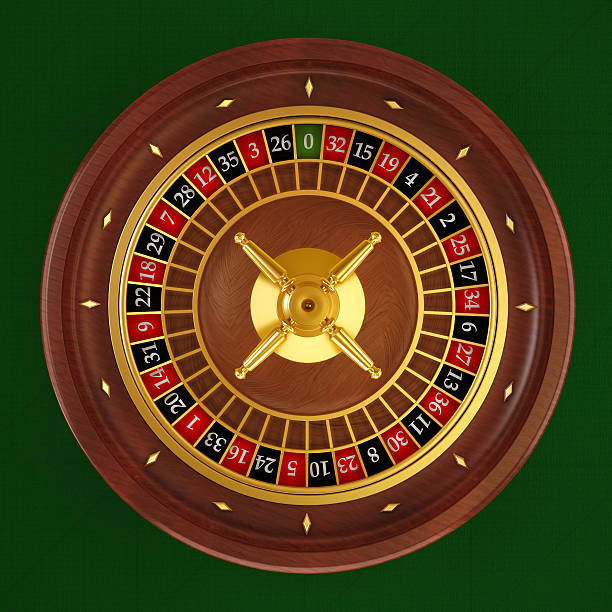
Moreover, the aura of luck surrounding a casino can be leveraged in marketing strategies. Promotions that capitalize on the perception of luck—such as lucky draws or themed nights—can drive up attendance and enhance the overall experience. By creating an environment where players feel that luck is on their side, casinos can foster a loyal clientele that returns for more. This symbiotic relationship between luck and casino revenue emphasizes the importance of maintaining an atmosphere that encourages excitement and hope.
The volatility of luck in gambling also underscores the necessity for casinos to manage risk effectively. Operators must balance payouts to ensure profitability while still enticing players with the allure of potential wins. This delicate balance is a constant challenge, as too many substantial wins can deter future play. Therefore, luck is not only a matter of chance; it is a fundamental factor that influences the operational strategies and long-term sustainability of casinos.
Understanding Luck through Online Platforms
The rise of online casinos has revolutionized how players perceive luck in gambling. With the advent of technology, players can experience games that are equally based on luck and strategy from the comfort of their homes. Online platforms often implement random number generators to ensure fairness, mirroring the randomness found in traditional casinos. However, the convenience and accessibility of online gambling also shift how players engage with the concept of luck.
Moreover, online casinos often use bonuses and promotions to create a sense of luck for new players. Welcome bonuses, free spins, and loyalty programs all serve to enhance the player experience by introducing an element of chance right from the start. These incentives can cultivate a belief that luck is within reach, motivating players to explore further and engage more with the platform. Consequently, online casinos rely heavily on crafting an environment that encapsulates the thrill of luck, similar to that found in physical establishments.
In addition, the community aspect of gambling has evolved in online spaces. Many platforms feature chat functions or forums where players can share their experiences and strategies. This interaction fosters a sense of camaraderie related to luck, as players exchange stories of wins and losses. Ultimately, the blend of luck and technology in online casinos creates a unique dynamic that reflects modern gambling trends and the continued fascination with the unpredictable nature of luck.